Two boxes sit near the top of every Maryland home sale contract, long before an offer arrives or a moving truck gets booked. One says Disclosure. The other says Disclaimer. A seller checks exactly one, and the choice feels like it should be easy: if you've lived in a house for thirty or forty years, isn't "as is" the simpler road?
For a lot of longtime Chevy Chase owners, the answer turns out to be no, and the reason has less to do with paperwork than with what's actually behind the plaster.
The form only gives you two doors
Maryland is one of the few states that hands sellers an actual choice about how to disclose. Under Real Property Article §10-702, every seller of a single-family home must deliver either a written property condition disclosure statement or a written disclaimer statement, both on a single standardized form developed by the State Real Estate Commission. Sellers can choose between either giving the buyer a disclosure of known defects or a disclaimer as to the condition of the house, but not both.
Most owner-occupants lean toward disclosure because they know the house, but plenty of longtime owners assume the disclaimer route lets them skip the hard conversation about a home's age and history altogether. That assumption is where the trouble starts.
Why "as is" doesn't mean what it sounds like
The disclaimer statement does let a seller decline to make representations about the property's general condition. What it does not do is erase one specific obligation. Maryland law requires that the disclaimer disclose any latent defects of which the seller has actual knowledge that a purchaser would not reasonably be expected to find through a careful visual inspection and that would pose a direct threat to health or safety. That duty applies whether a seller checks Disclosure or Disclaimer. As one 2026 guide to the law puts it, a latent defect is one a purchaser wouldn't reasonably discover through visual inspection and that threatens health or safety, and it must be disclosed regardless of which form option a seller chooses.
In plain terms, the "as is" box is not an exit from disclosure. It is a narrower path that still has one obligation attached, and that obligation is the one most likely to matter in a house older than the person selling it. A seller who knows about a hazard and checks the disclaimer thinking it clears the slate can still face a claim later, because the duty to disclose known problems survives the as-is disclaimer, which protects a seller from claims about conditions they didn't know about, not conditions they actively concealed. The practical version of that rule shows up often enough to have a standard example: a seller using the disclaimer who knew about a foundation crack and didn't mention it can still be sued.
What "actual knowledge" means in a house built before the New Deal
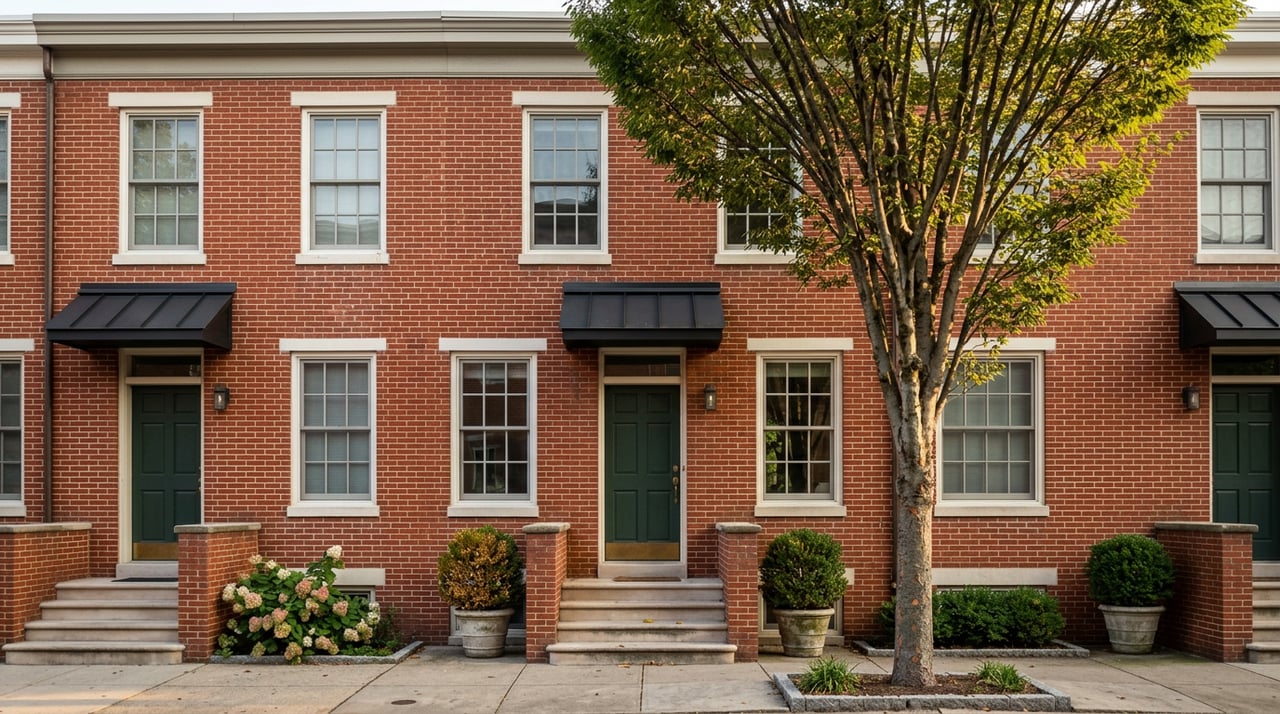
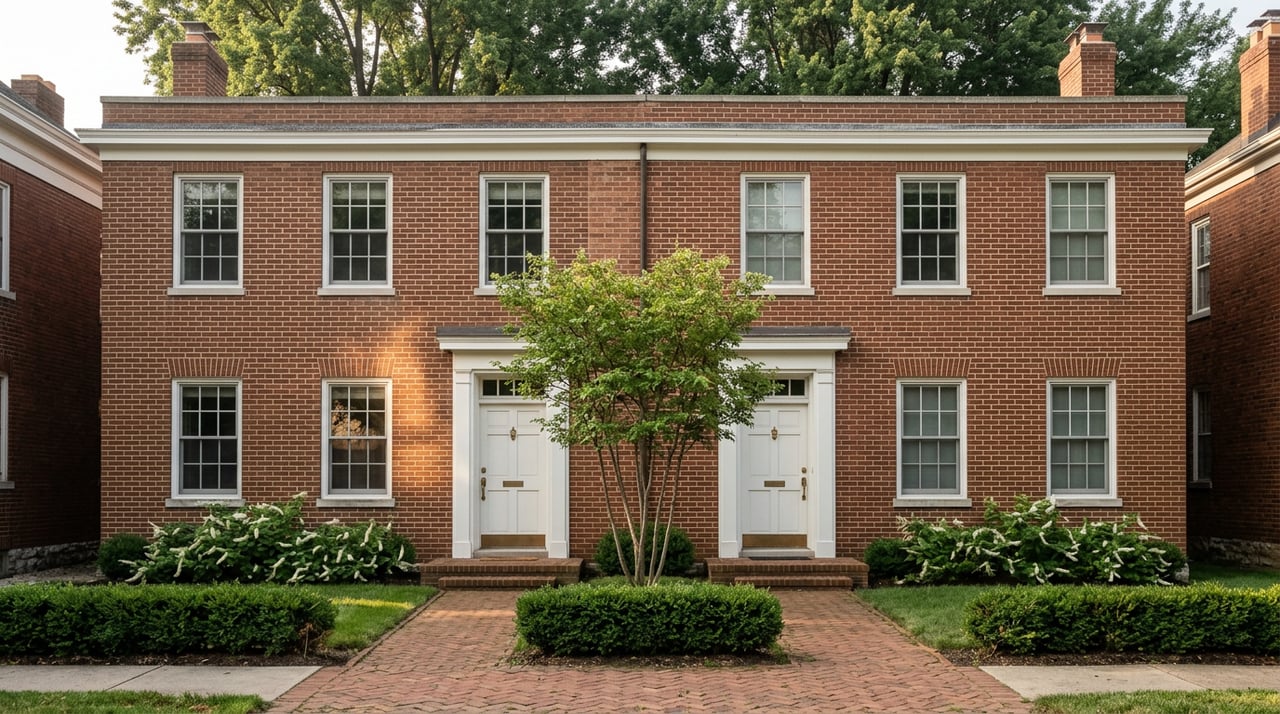
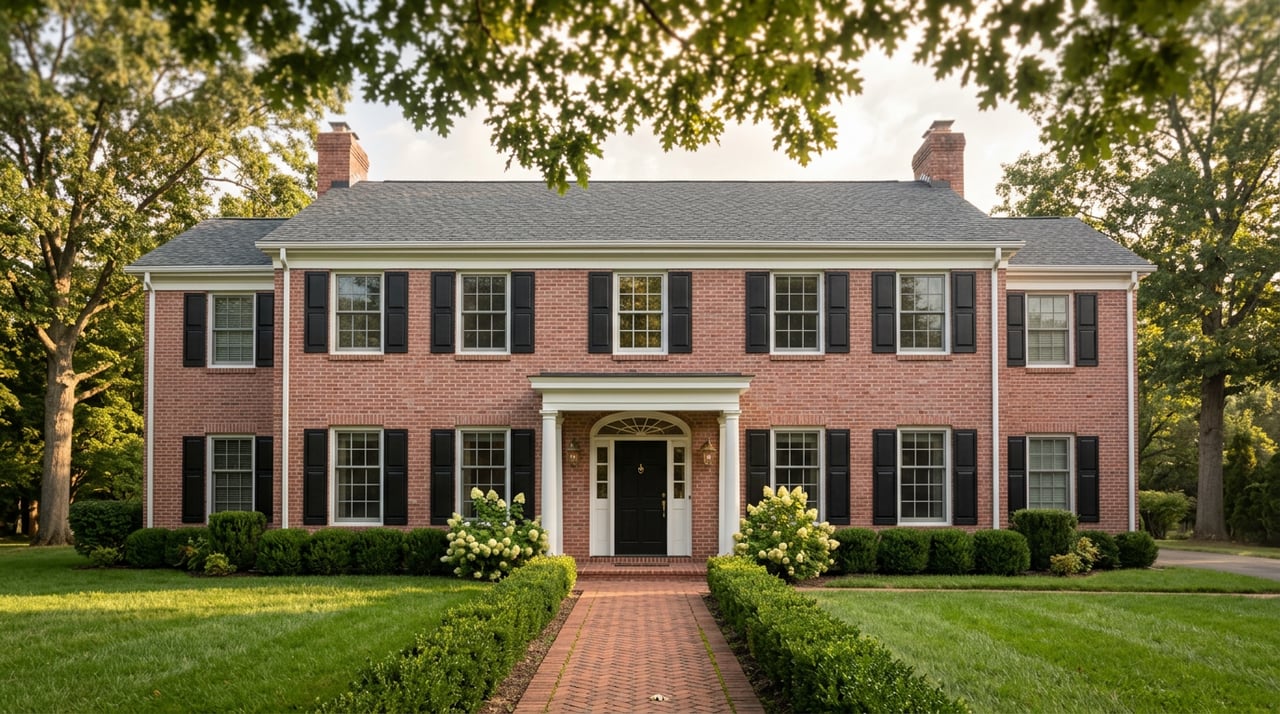
This is where Chevy Chase's own history matters. The Chevy Chase Historic District, listed on the National Register, covers construction dating from 1892 to 1930, bounded by Grafton Street, Cedar Parkway, East-West Highway, and Wisconsin and Western avenues, with homes credited to architects including Arthur B. Heaton, Harry Wardman, and Waddy B. Wood. Chevy Chase Village itself, created in 1890 and incorporated in 1951, is an historic community of 720 homes on just under half a square mile in southern Montgomery County.
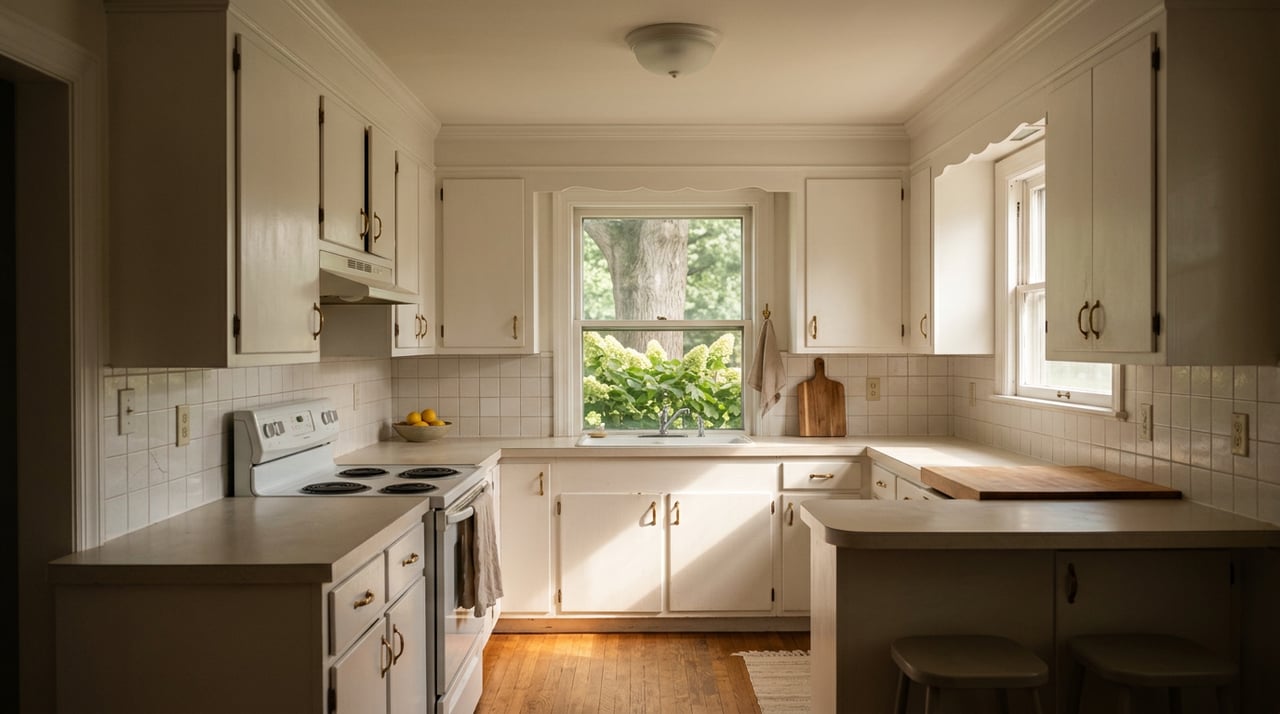
Houses from that era carry specific, well-documented traits that show up on inspection reports today. Most pre-1950 Chevy Chase homes have plaster walls rather than drywall, and many were built using balloon framing, a structural method where studs run continuously from foundation to roofline without the fire-blocking breaks of modern platform framing. Inspectors working near the District line routinely note that older neighborhoods near the DC border may have knob-and-tube wiring, galvanized plumbing, or asbestos materials, and Maryland home inspectors generally flag aluminum wiring, knob-and-tube wiring, or insufficient grounding in homes of this vintage as a matter of course.
Lead paint follows the same pattern. Most homes built before 1950 have lead paint, and many built until 1978 still had some, which puts nearly the entire original Chevy Chase Historic District squarely inside that window. Federal law layers its own disclosure rules on top of Maryland's, requiring sellers to provide the EPA's lead pamphlet, give purchasers a 10-day window to conduct a lead risk assessment, and include specific disclosure language in the sales contract. One 2026 legal guide names Chevy Chase directly on this point: for homes in Bethesda, Chevy Chase, Kensington, Takoma Park, and other older Maryland neighborhoods, this disclosure is required for most pre-1978 properties.
None of this means a longtime owner has to become an expert on their own walls overnight. Maryland's form allows an honest "Don't Know" answer, and that answer is often the correct one for an owner who bought a house in 1988 and never had a reason to open up the electrical panel. The rule that matters is simple: answer Don't Know only when that's genuinely true, and if you have any reason to believe a defect exists, from visible signs to past repairs, disclose it.
Here is the choice laid out side by side:
| Disclosure Statement | Disclaimer Statement | |
|---|---|---|
| What you're saying | You're affirmatively describing the condition of roughly a dozen systems, room by room | You're making no representations about condition, selling "as is" |
| What's still required either way | Known latent defects that threaten health or safety must be disclosed | Same |
| Best fit | Owners who know the home's systems and repair history well | Owners who genuinely don't know the home's condition and aren't concealing anything |
| Where sellers get tripped up | Guessing instead of checking "Don't Know" honestly | Assuming the box removes the duty to mention known hazards |
A slower market gives buyers more time to read the fine print
The stakes around getting this right have shifted this year. Over the three months ending May 2026, the median sale price in Chevy Chase was $1,314,214, down 9.36 percent from the same period a year earlier, and the median price per square foot sat at $466, down 6.4 percent since last year. The pace of sales has changed just as much as the price. Homes are now taking 19 days on the market on average, compared to 7 days last year, even as 45 homes sold in May 2026, up from 24 the year before.
More homes are moving, but more slowly, and that combination matters for disclosure specifically. A 7-day market does not leave much room for a buyer to sit with a disclosure form, cross-reference it against an inspection report, and come back with questions. A 19-day market does. Buyers this year have the time to actually notice a "Don't Know" answer that looks more like a guess than an honest gap, and the leverage that comes with a softer market to ask for repairs, credits, or a closer look before they'll move forward. A rushed or careless disclosure decision that might have gone unnoticed in last year's pace has more room to surface now.
Historic district repairs add a step before you even reach the form
For homes inside Chevy Chase Village's local historic district, there's a layer that comes before the disclosure conversation entirely. Exterior work on a historic property typically requires a Historic Area Work Permit review, and the Village runs its own Historic Preservation Tax Credit program, reimbursing owners up to 20 percent of qualified exterior repair costs, capped at $5,000 per property, for work completed within the calendar year. Applications for that credit are due each year by 5:00 p.m. on April 1, covering repairs completed by December 31 of the prior year. If a seller has repaired a porch, replaced windows, or restored a facade before listing, that work and its permit record become part of the answer to the disclosure form's permit question, not a separate footnote.
For an owner who has lived in the same Chevy Chase house for decades, a practical starting point looks like this:
- Pull whatever permit records exist for major work done during your ownership, even repairs that felt routine at the time
- Note anything you genuinely don't know the history of, rather than guessing at an answer
- If exterior work is planned before listing and the home sits in the local historic district, check whether it needs Historic Area Work Permit review before the contractor starts
- Ask whether a pre-listing home inspection makes sense, since it can turn "Don't Know" into an informed answer before a buyer's inspector does
- Keep the lead paint pamphlet and disclosure language ready if the home was built before 1978, since federal law requires it regardless of which Maryland box you check
A few questions that come up often
If I choose the disclaimer, do I still have to mention wiring that was never fully updated? Only if you have actual knowledge that it poses a health or safety risk a buyer wouldn't spot on a normal walkthrough. Wiring you know is original and never inspected falls into a gray area worth discussing with your agent rather than guessing at.
What if I honestly don't remember when a repair happened? Say so. Maryland's form is built around your actual knowledge, not a forensic history of the house, and an honest "Don't Know" is a legitimate answer when it's true.
Does any of this apply to a Chevy Chase condo or co-op? The state disclosure law applies to residential real property generally, though condo and co-op sales carry their own additional association disclosures. If you're weighing a downsize from a house into a smaller unit, it's worth walking through both sets of requirements together.
Selling a home you've owned for decades is rarely just a paperwork exercise. It's a decision about how much you know, how much you're comfortable saying, and how a market that's moved slower this year might respond to either choice. If you're sorting through what a Chevy Chase disclosure form should say about a house you've lived in for a long time, the team at Next Step Living has spent years helping owners in exactly this position think it through clearly, at a pace that respects the decision they're making. Contact us when you're ready to talk it through.