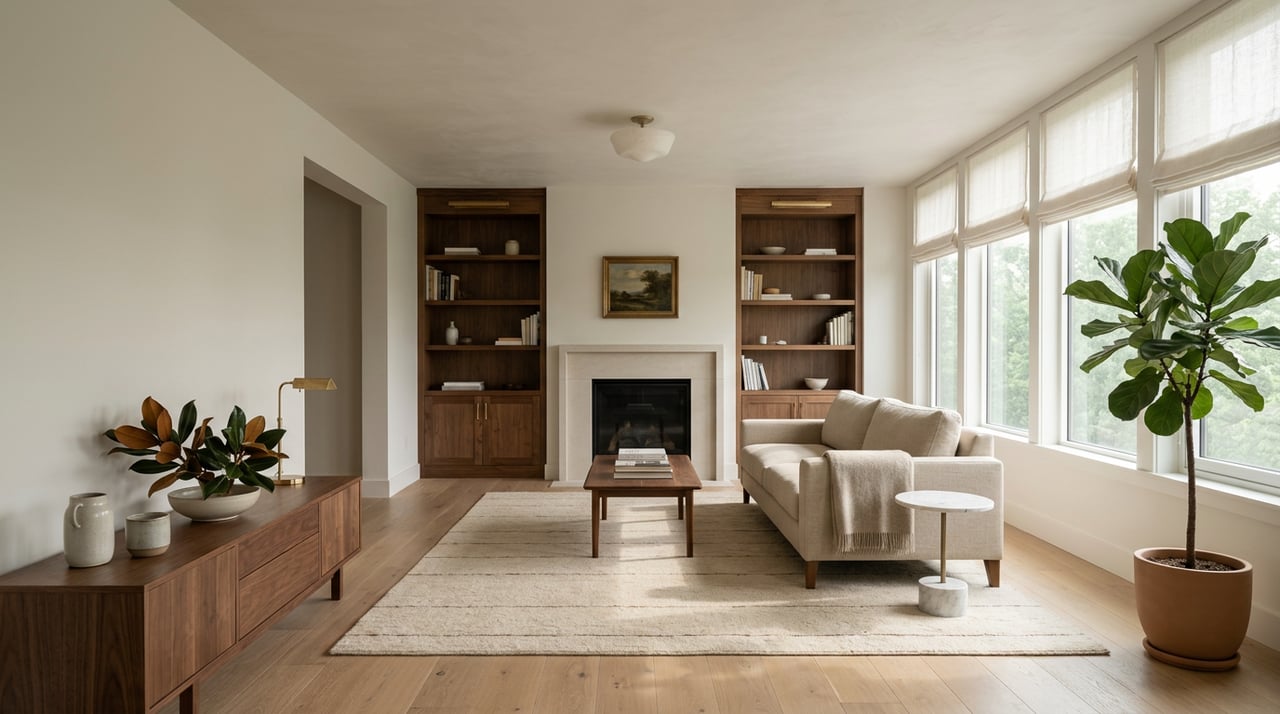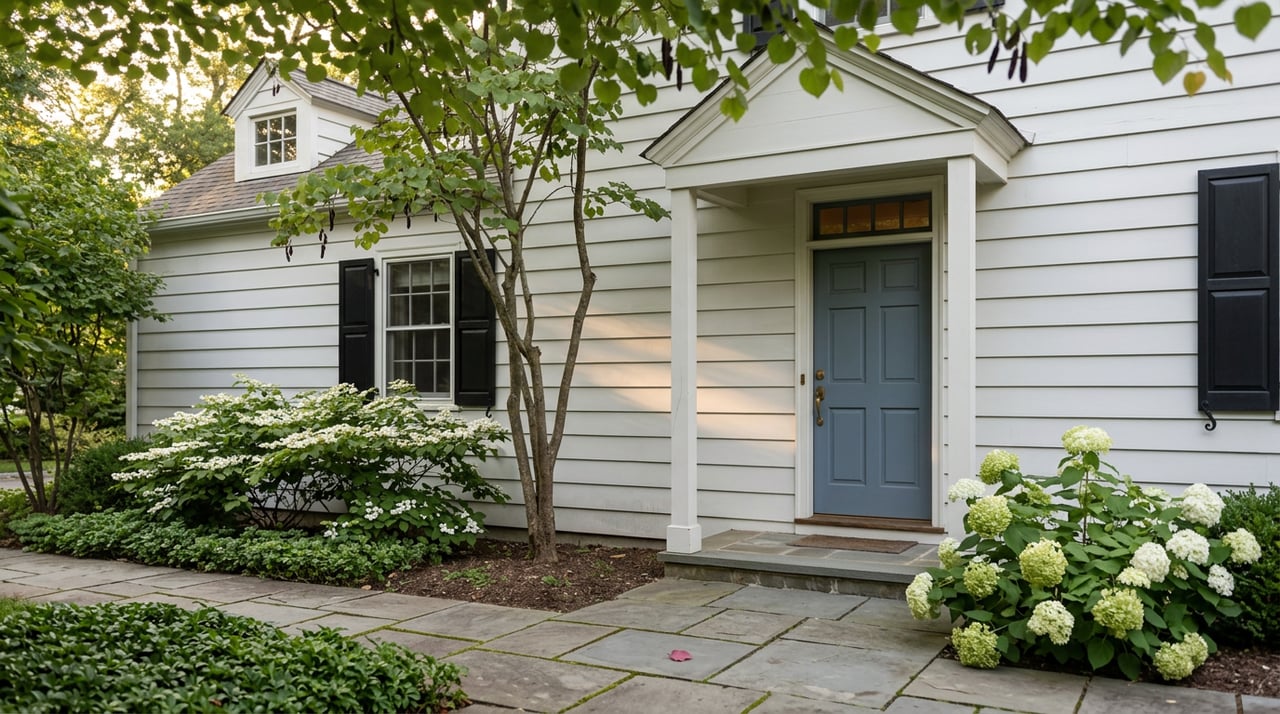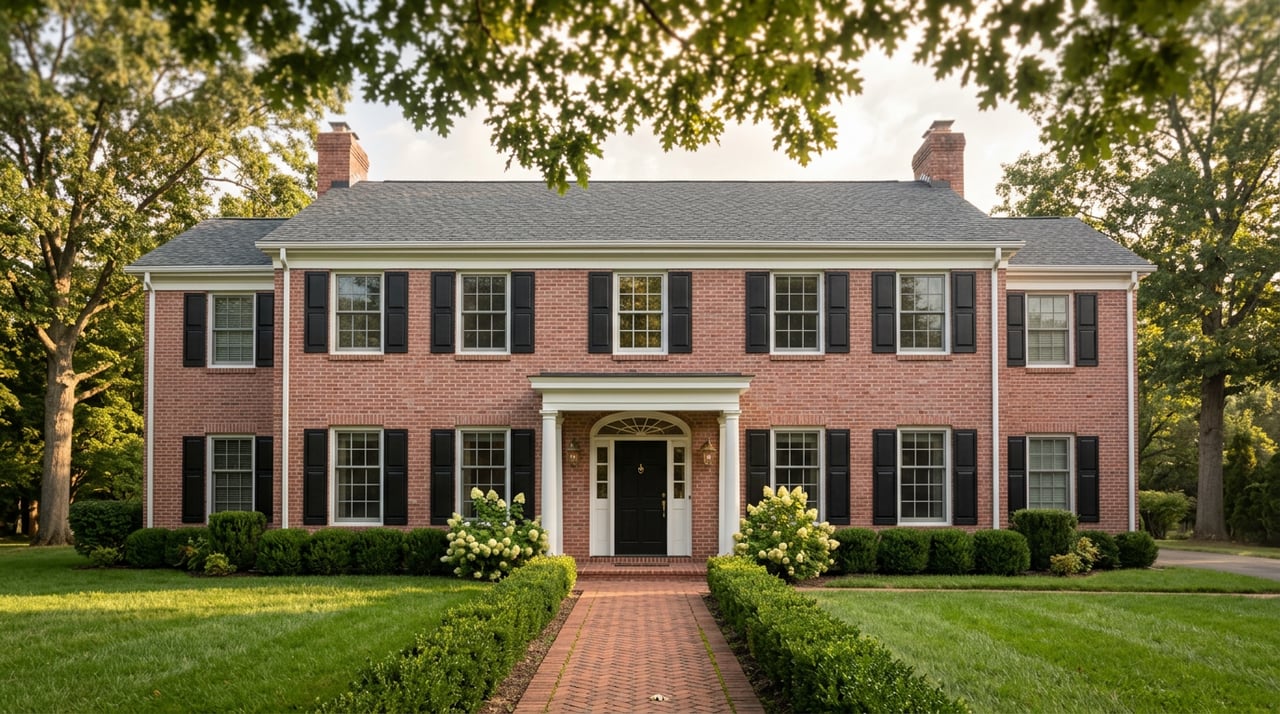
Stay in your current home vs Downsize to a new home
Stay in Your Current Home
- Maintaining an entire home can be complex and costly
- Sorting belongings and furniture that you have owned for years can be an elaborate task that will become more difficult as you get older
- You may need to install mobility devices such as railings and chairlifts
- You may be far away from walkable areas, entertainment, and public transit
- You may be far from your friends, making it difficult to socialize
- You may have to travel a long time from your current home to attend to any of your medical needs
Downsize to a New Home
- Smaller or single-level properties are easier to maintain and less costly.
- Reducing your belongings will simplify your lifestyle, and it will be easier to do now than later
- You can live on one level, allowing for easier mobility as you age
- You have the opportunity to live closer to entertainment and transit in a more walkable community
- Communities make it easier to socialize and often have events to help you make friends
- If you downsize, you can choose to live close to your doctor’s office; many senior communities also have on-site medical services
House Hunting Decisions
What Would You Like & Need in Your New Home?
Location
- Near public transit
- Near family members
- Walking distance to restaurants and shopping.
- Near medical facilities
Home Features
- Single-floor living
- Outdoor space
- Fixtures for people with mobility issues
- Parking
Type of Home / Community
- Independent vs assisted living
- Retirement community
- Active senior living
- Community with planned social activities
Other Considerations
- Needs – what features do you need in a home to live?
- Timing – when will you be ready to move?
- Budget – How much are you netting from the sale of your current home?
- How much can you afford?
5 Ways to discover if an area is right for you
Do your online homework
The internet is especially useful for a quick scan of a neighborhood if you’re pressed for time.
Visit multiple times
Visit during the day as well as in the evening. Drive or walk around weekdays and weekends.
Talk to the locals
They can provide some of the best info about an area. Local stores and coffeehouses are also good places.
Ask your real estate agent
Your local agent can provide a wealth of knowledge about recent prices of sold homes in the neighborhood.
Selling Your Current Home
Should I Buy First or Sell First?
When you’re downsizing, you’re selling your current home and potentially buying a new home. But in what order should you do it?
Most people move into smaller homes as they reach retirement age. You’ve probably accumulated a lot of furniture and belongings over the years, and you won’t be able to take everything with you to your new home.
Things to Consider
- Do you need the proceeds from your home sale to afford to purchase a new home?
- Do you have a place to stay while you are waiting to move?
Buying First
- If you already have all the cash you need to purchase your new home, you may find it less stressful to buy first.
- This would allow you a little more flexibility with your timeline.
- Consider whether you can afford to pay 2 mortgages at once and for how long – will you be in trouble if your home doesn’t sell right away?
Selling First
- If you need the proceeds of your home sale to afford a new home, you will need to sell your home first.
- You can ask for Post-Settlement Occupancy (Rent-Back) when selling your home.
- Your other option would be to stay somewhere else after you sell your home, such as a short-term rental or with a family member.
Paring Down Your Belongings
- What to bring to your new home
- What to keep for staging purposes and get rid of after the sale
- What to donate, sell, or throw away
- What documents or photos can be digitized
- Furniture
- Cookware and Dishware
- Small Appliances
- Tools
- Books
- Clothing & Shoes
- Linens
Finding your new home
Know what to expect.
The real estate market can have a big impact on the homes you see and the offers you make. If you’re in a buyer’s market, seller’s market, or somewhere in between, find out from your local agent what it could mean for you.