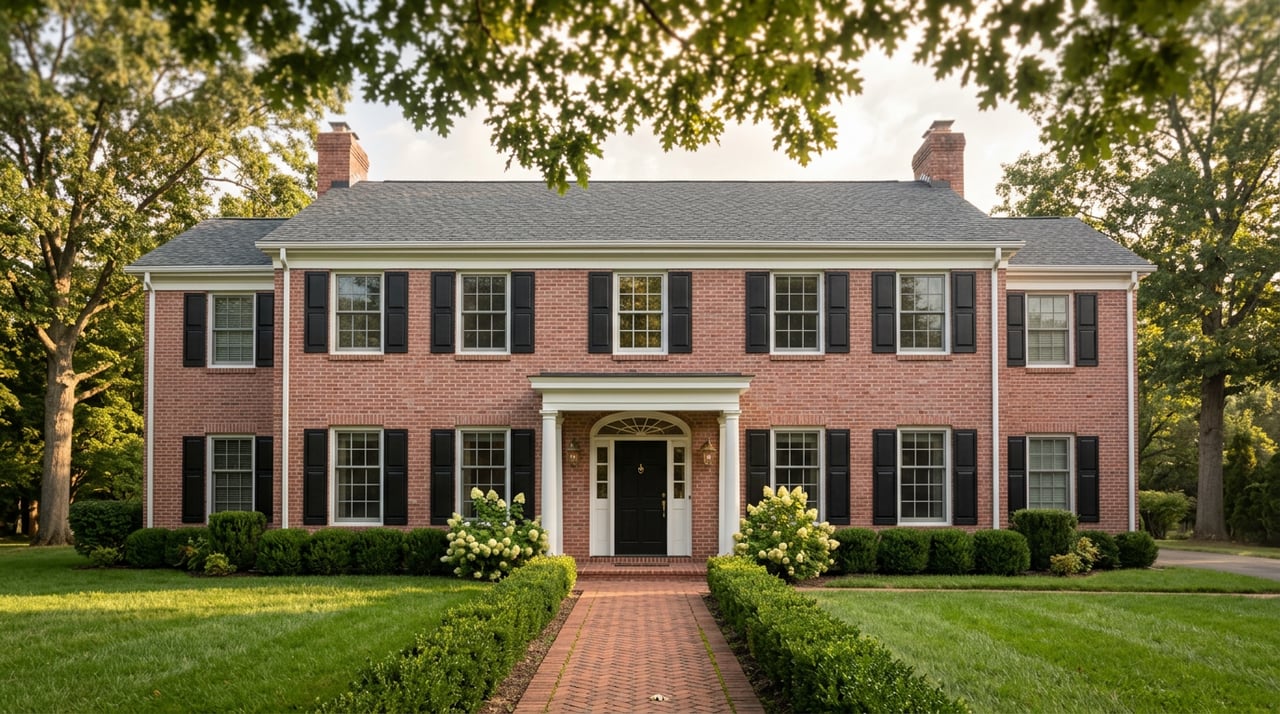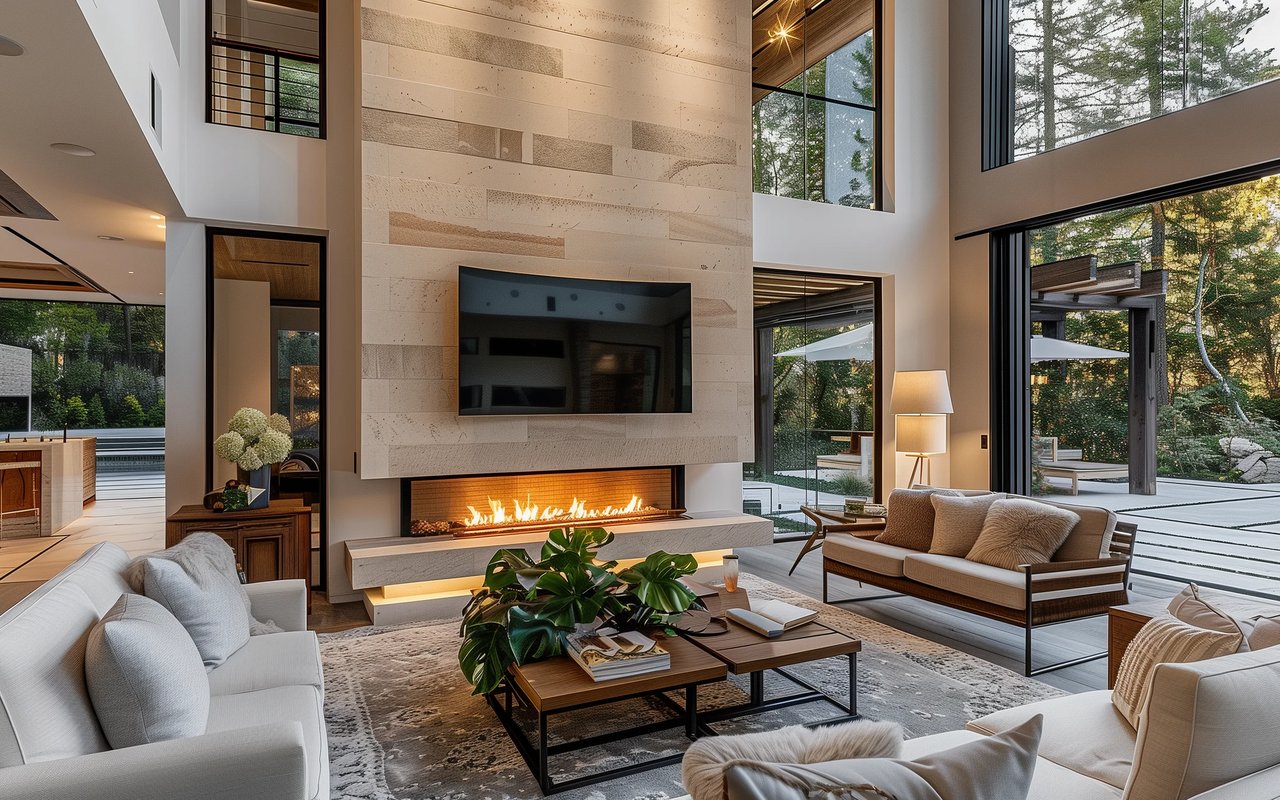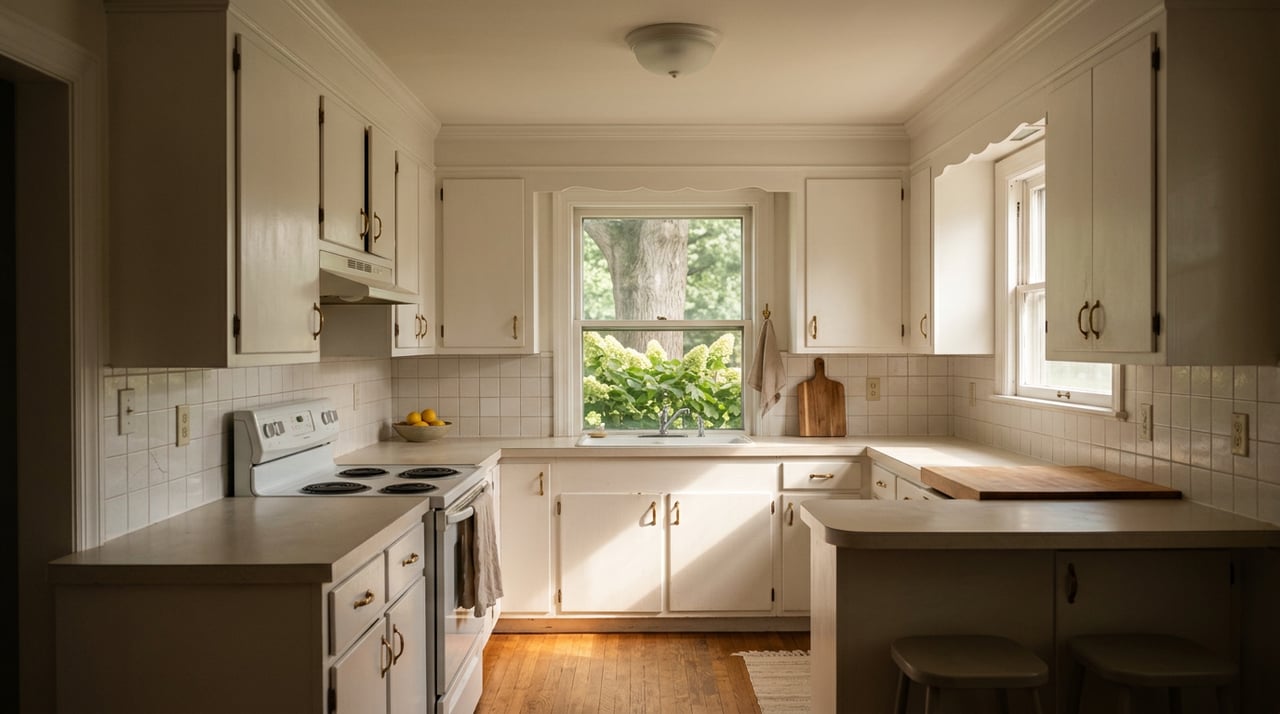
A longtime Montgomery County broker once put it this way to a reporter: she'd tell clients who wanted to sell and move on, "You really should just stay put. You really should just add on." Not because their homes weren't valuable. Because in a scarce market, the house barely mattered next to the lot it sat on, and there was nowhere better to move to anyway.
That advice, given to NPR back in 2019, has quietly shaped how a lot of Potomac homeowners think about renovation. If land value swamps house value, why spend on a new kitchen before you sell? Let the builder tear it down and build something new. The logic still holds on plenty of streets. But 2026's slower market is starting to change the math for some sellers, and the homeowners who haven't noticed are the ones most likely to either overspend on updates that won't move the price, or underspend and leave money on the table.
"I can't tell you how many times I've told people, 'You really should just stay put. You really should just add on,'" broker Liz Brent told NPR in 2019. "They can't move, because there is nowhere for them to go."
The Logic That Built a Decade of Decisions
The reasoning behind Brent's advice is simple. When land is scarce and buyers are bidding against each other for it, the condition of the house on top of that land stops being the deciding factor. A builder or a buyer with a builder's mindset isn't paying for the 1978 kitchen. They're paying for the setback lines, the lot coverage allowance, and the school cluster address.
Montgomery County's own numbers, gathered as part of a 2019 push by then-Councilmember Evan Glass to tax teardowns, showed how far that logic can stretch. Glass estimated the county had issued more than 2,000 demolition permits for single-family homes since 2010, and pointed to cases where a $700,000 home came down and a $1.75 million home went up in its place, according to an NPR investigation into the county's teardown debate. That's not a renovation premium. That's a different product entirely, and the seller of the original house captured almost none of that upside unless they sold to the builder and let someone else take the risk.
Here's the detail that gets lost when people repeat this story, though: Potomac wasn't even the epicenter. The county's permit data, cited in the same reporting, showed Bethesda held the largest share of single-family demolition permits between 1990 and 2018, with Silver Spring, Chevy Chase, Potomac, and Rockville trailing at a distance. Potomac has real teardown activity. It has never been the county's hottest corridor for it, and that distinction matters more than it sounds.
Not Every Potomac Lot Plays This Game
A Montgomery County builder who specializes in teardown-rebuild projects describes the strongest candidates as sharing three traits: a desirable street, a repair list that rivals the home's value, and zoning that allows meaningfully more house than what's currently standing. Miss any one of those three, and the arithmetic that makes a teardown attractive to a builder starts to break down.
That third trait, the zoning ceiling, is where a lot of the variation inside Potomac actually lives. A half-acre lot in a community like Falconhurst or Avenel, where multi-acre parcels and generous setbacks are the norm, can support a rebuild large enough to justify a builder's investment. A smaller, in-town lot closer to Potomac Village, hemmed in by tighter setbacks or protected trees, often can't. On that second kind of lot, a dated kitchen isn't a rounding error. It's the difference between a buyer who sees a home to move into and a buyer who sees nothing worth the trouble.
This is also where Montgomery County's own permitting mechanics create friction that rarely makes it into a seller's math. County demolition permit records show that many teardown permits only authorize removal down to the top of the existing slab, with land disturbance capped under 5,000 square feet, and the foundation required to stay intact unless the builder secures a separate sediment control permit. That's according to permit conditions published through Montgomery County's own open data portal. A builder weighing whether to buy a lot for its dirt has to price in that process, and a lot that looks straightforward from the street can carry weeks of added permitting time that a straightforward resale never would.
What a Slower Market Changes
None of this land-value logic assumes a particular pace of sales. It assumes urgency, buyers competing hard enough that they'll overlook condition to secure a lot before someone else does. Take away the urgency, and condition starts to matter again, even on good lots.
That's roughly what's happened in Potomac over the past year. Over the three months ending in May 2026, the median sale price in Potomac was $1.3 million, down 5 percent from the same period a year earlier. Homes that sold in May 2026 had spent an average of 22 days on the market, more than double the 10 days it took a year earlier. At the same time, 175 homes sold in Potomac in May 2026, up from 125 in May 2025, meaning more inventory moved through the market even as it took longer to sell and prices softened. Different data trackers show slightly different magnitudes on price, which is common when comparing list prices, sale prices, and per-square-foot figures side by side, but every source points the same direction: more time on market and more choices for buyers.
More days on market means more time for a buyer to actually walk through a house, notice the dated bathroom, and factor it into an offer instead of waving it away to beat out three other bidders. That's the shift sellers need to understand before deciding to skip renovations entirely. The advice that made sense during a scarcity-driven, bidding-war market doesn't automatically transfer to a market where buyers have room to be selective.
So, Renovate or Not?
There isn't a single answer, and that's the honest takeaway. A Potomac homeowner sitting on a large, well-located lot in a community built around custom estates is still likely to find that a builder or builder-minded buyer cares far more about the land than the linoleum. A homeowner on a smaller, more constrained lot closer to the village center is selling a house first and land second, and in a market where buyers can afford to be patient, condition is back in the conversation.
The honest way to find out which situation applies is to have someone look at the specific lot: its zoning envelope, its tree coverage, its school cluster, and how it compares to what builders have actually been paying for comparable land recently. That's a different conversation than a generic renovation checklist, and it's the one that actually determines whether a kitchen remodel is money well spent or money that disappears into a demolition dumpster six months after closing.
Quick Questions From Sellers
Does this mean I shouldn't fix anything before I sell? Not necessarily. It means the answer depends on your specific lot and location within Potomac, not on general renovation advice that assumes every house is competing on land value alone.
How do I know if my home is more likely to be valued for the land or the house? Lot size, zoning allowance, and how much larger a new structure could legally be than your current one are the main factors. A conversation grounded in your specific address and current comparable sales, rather than county-wide averages, is the only way to get a real answer.
Is the slower market in 2026 good or bad news for someone thinking about selling? It cuts both ways. Homes are taking longer to sell and prices have softened slightly, but more homes are actually closing, which suggests buyers are still active. It's a market that rewards accurate pricing and honest presentation more than it rewards waiting for a bidding war.
For homeowners weighing whether a renovation is worth the money, or whether it's time to simplify and move on to something that fits better, this is exactly the kind of decision Next Step Living helps walk through, lot by lot and street by street, without pressure to renovate, rebuild, or rush. Contact Us to talk through what your specific home and lot are actually positioned to do in today's market.